
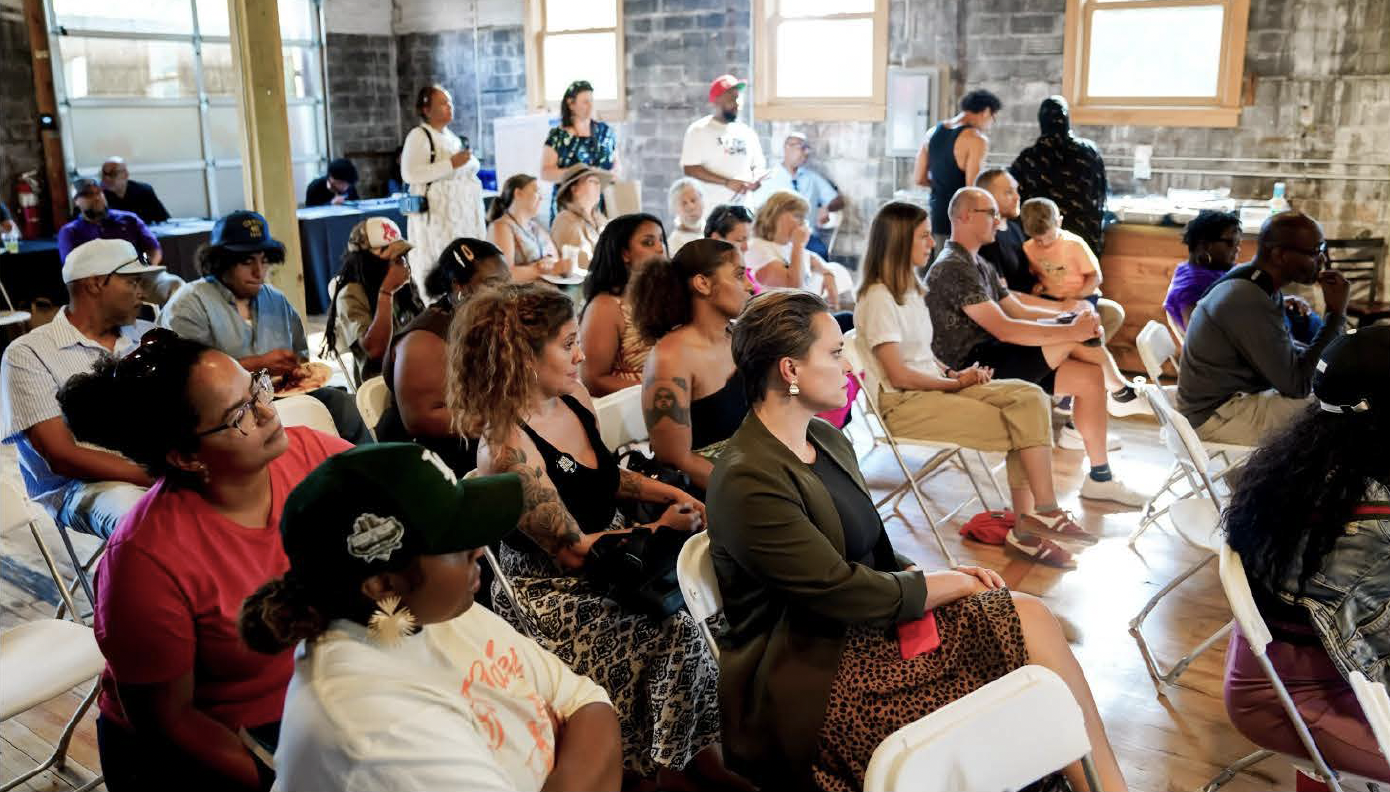
Stewarding & Acquiring Land
As a community land trust, our approach to property ownership rejects the traditional landlord-tenant hierarchy. We create the container for opportunity by leveraging mission-aligned funding partners to purchase and design space with community end-users in mind.
Our value-driven framework is a blueprint to “creating the community we want to live in” by stewarding resources so the assets in our neighborhoods are permanently affordable spaces where Black communities can dream, build, and shape their own futures.
We recognize that stewardship comes before acquisition; cultivating the deep relationships and activating public spaces to bring stakeholders together and identify community assets and needs.
KOMBOA has developed a hyper-local development strategy that will steward resources in ways that heal generational harm and reinvent the economy from the community up.
Our Initiatives
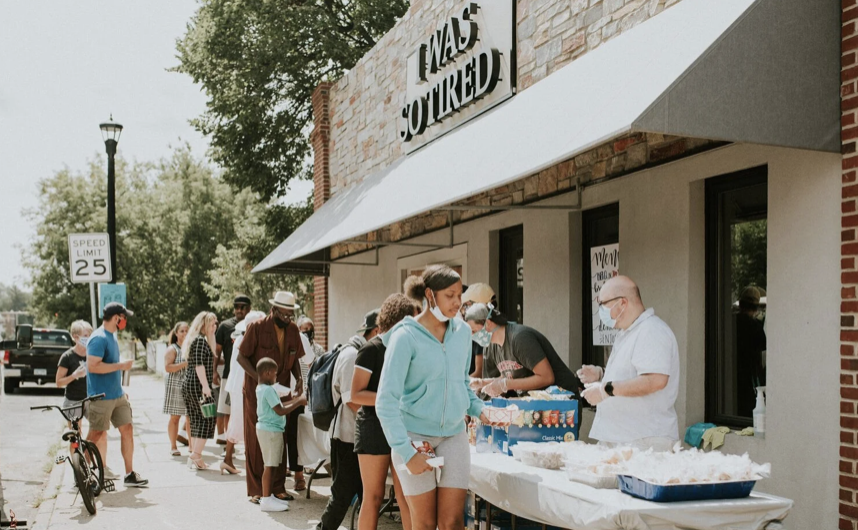
38th Street Market
The 38th Street Market is a monthly, community-rooted market at 38th & Chicago. This is not a traditional farmers market. It is a corridor activation and community economic ecosystem built around food, makers, growers, and the 16-18 Black-owned businesses already rooted in this block.
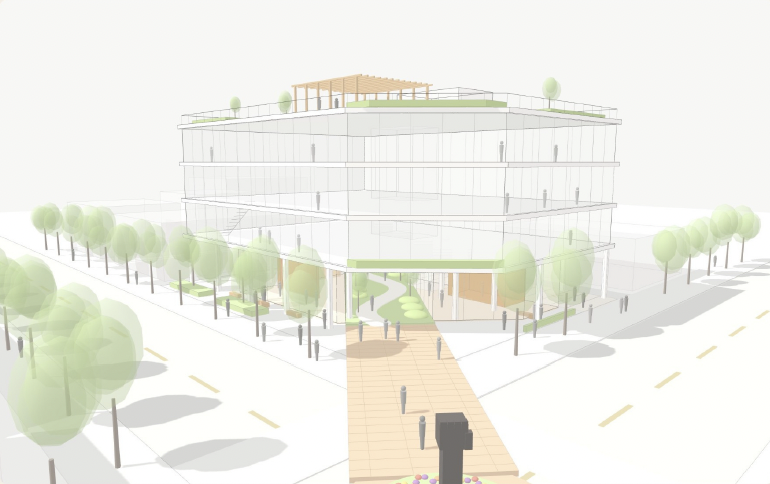
People’s Way Proposal
Our proposal for the redevelopment of the People’s Way site is a commitment to steward this ground as a place of remembrance and build a commons around it where the community that has held this space can gather, heal and prosper for generations
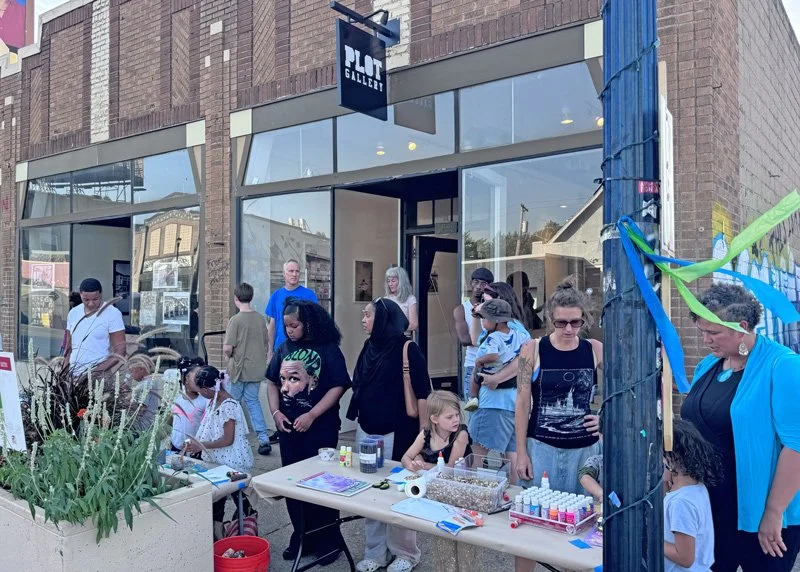
Acquiring Property for Community Benefit
KOMBOA is currently working with business owners in the 38th and Chicago corridor to purchase the buildings they operate out of and transfer those assets into the land trust to ensure that they can continue to be used for the community’s benefit.
Why a community land trust?
-
A legal nonprofit entity that protects land and property rights for the purpose of human capital development. Community land trusts are community-run, nonprofit landholding organizations that sell or rent the units atop the land they own, safeguarding affordability and preserving neighborhood culture.
The first community land trust (CLT) was founded in 1969, New Communities Inc (NCI), a collaboration between civil rights activists and Black farmers in Albany, Georgia, to help Black sharecroppers who had lost their homes and jobs register to vote.
Established as “a nonprofit organization to hold land in a perpetual trust for permanent use of the community.” To date, Minnesota leads the US with 31 of the the approximately 250 CLT’s in the nation.
-
Land trusts are a tactical mechanism for which a representative board can remain the stewards of real estate, ensuring long-term access and affordability to its community, building stability, equity and agency for people who have been marginalized or shut out of traditional markets to foster the unique cultural character of a neighborhood.
-
Historically, CLT's permanently preserve farmland, cooperative work, recreational, scenic, historical land, or affordable housing for people.
-
Along with estate tax benefits, there are income tax benefits and deductions that a landowner can experience by donating to a land trust. Land trusts can benefit from tax exemptions and charitable deductions as well.